Holcim Foundation
FORUM TALKS
Revisit key talks from the Holcim Foundation Venice Forum 2025, featuring leading thinkers and practitioners in climate resilience, urban planning and sustainable design. Each presentation brings a distinct perspective—from scientific insight and data-driven analysis to policy, ecology and built-environment innovation—offering practical and critical reflections on flood resilience and adaptation in an era of accelerating climate change.
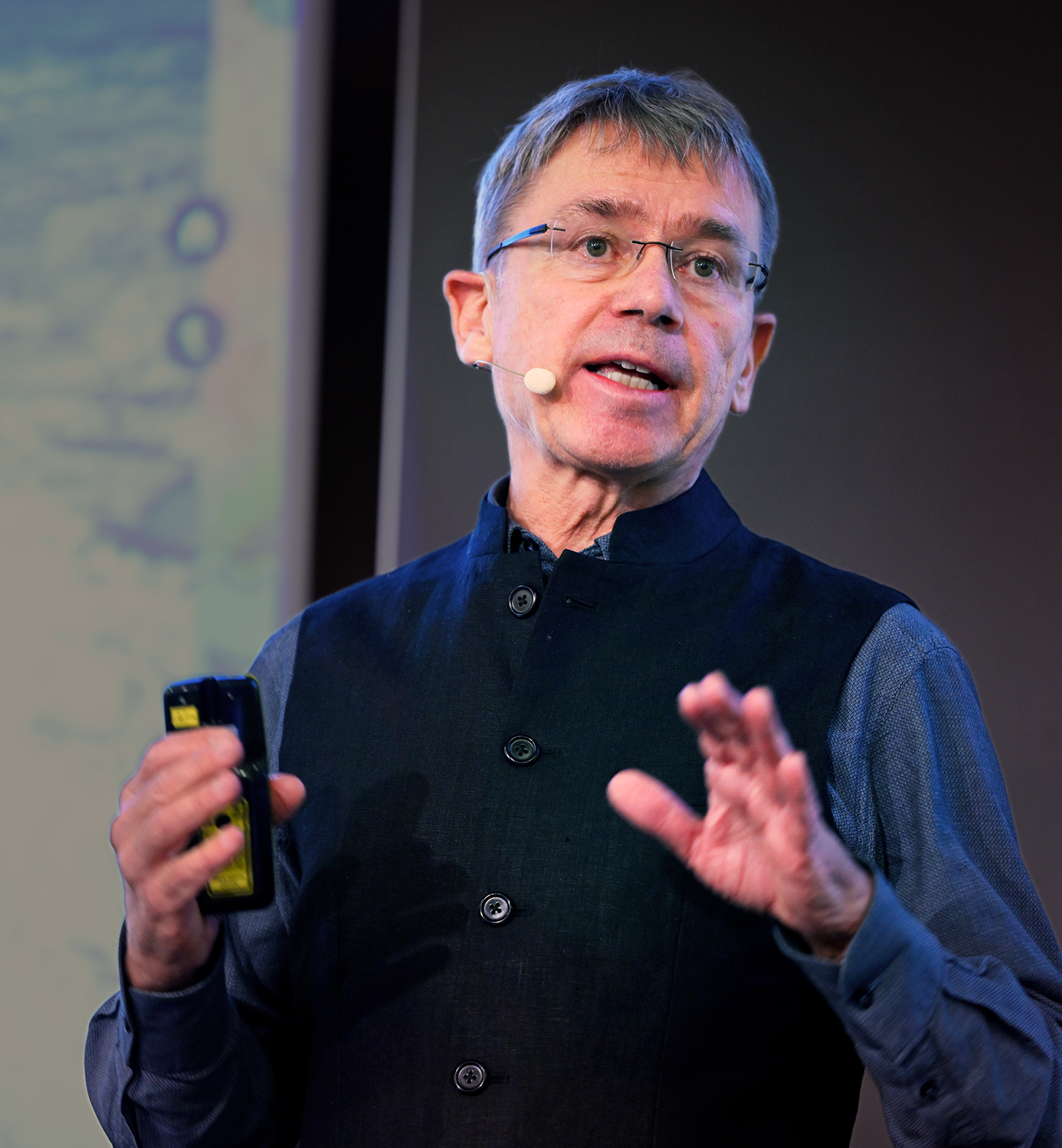
Flood risk is accelerating faster than societies are prepared for. This opening keynote sets the scientific foundation for the Forum, revealing how compound flooding, rising seas and intensifying storms are reshaping risk across time horizons—from the next decade to the end of the century—and why urgent, coordinated action is now unavoidable.
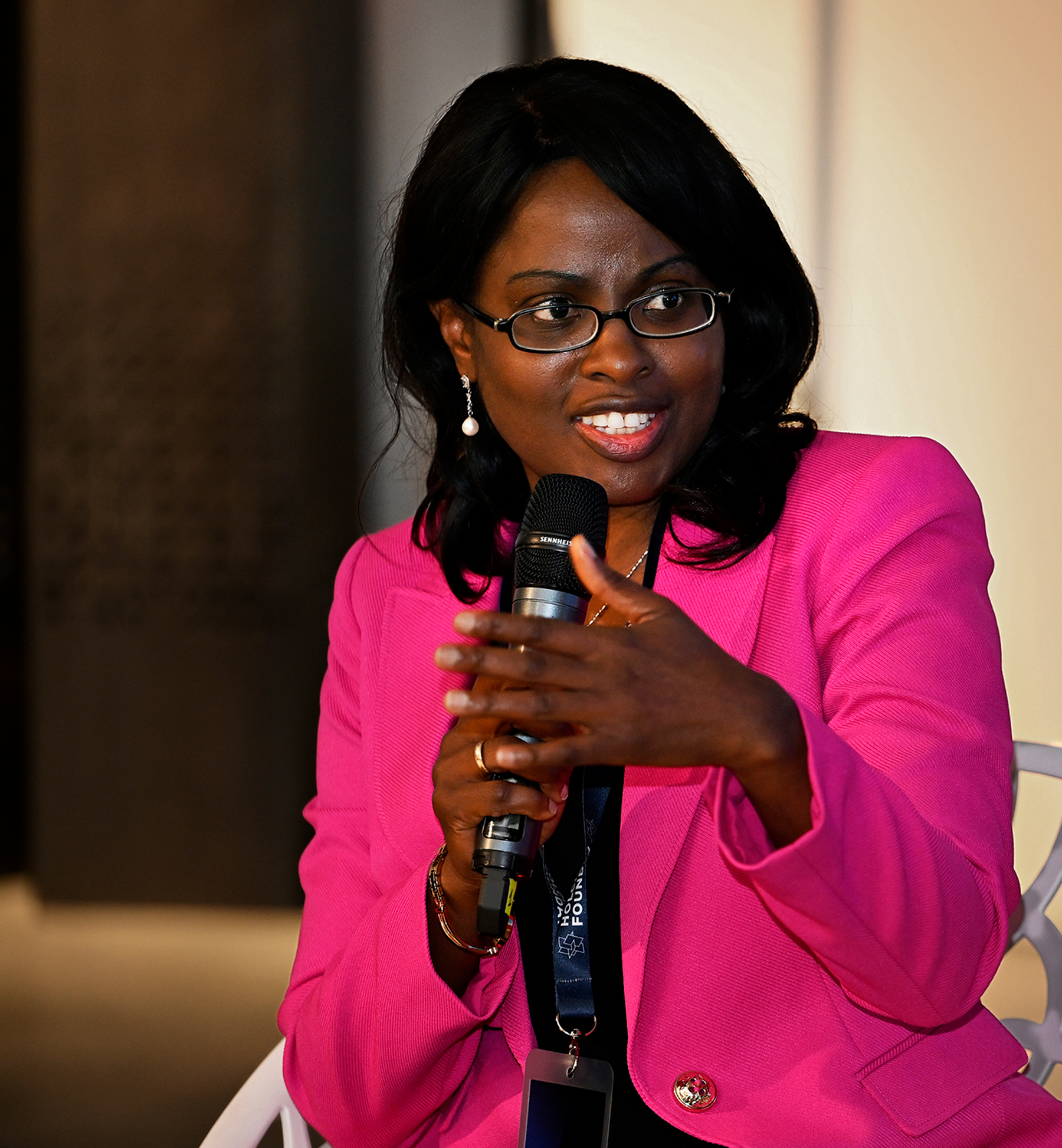
As climate-driven relocation accelerates worldwide, this talk interrogates whether managed retreat truly reduces risk or instead deepens inequality. Drawing on global case studies, it explores what makes retreat efforts just, transformative and capable of improving long-term social and economic outcomes—rather than simply moving vulnerability elsewhere.
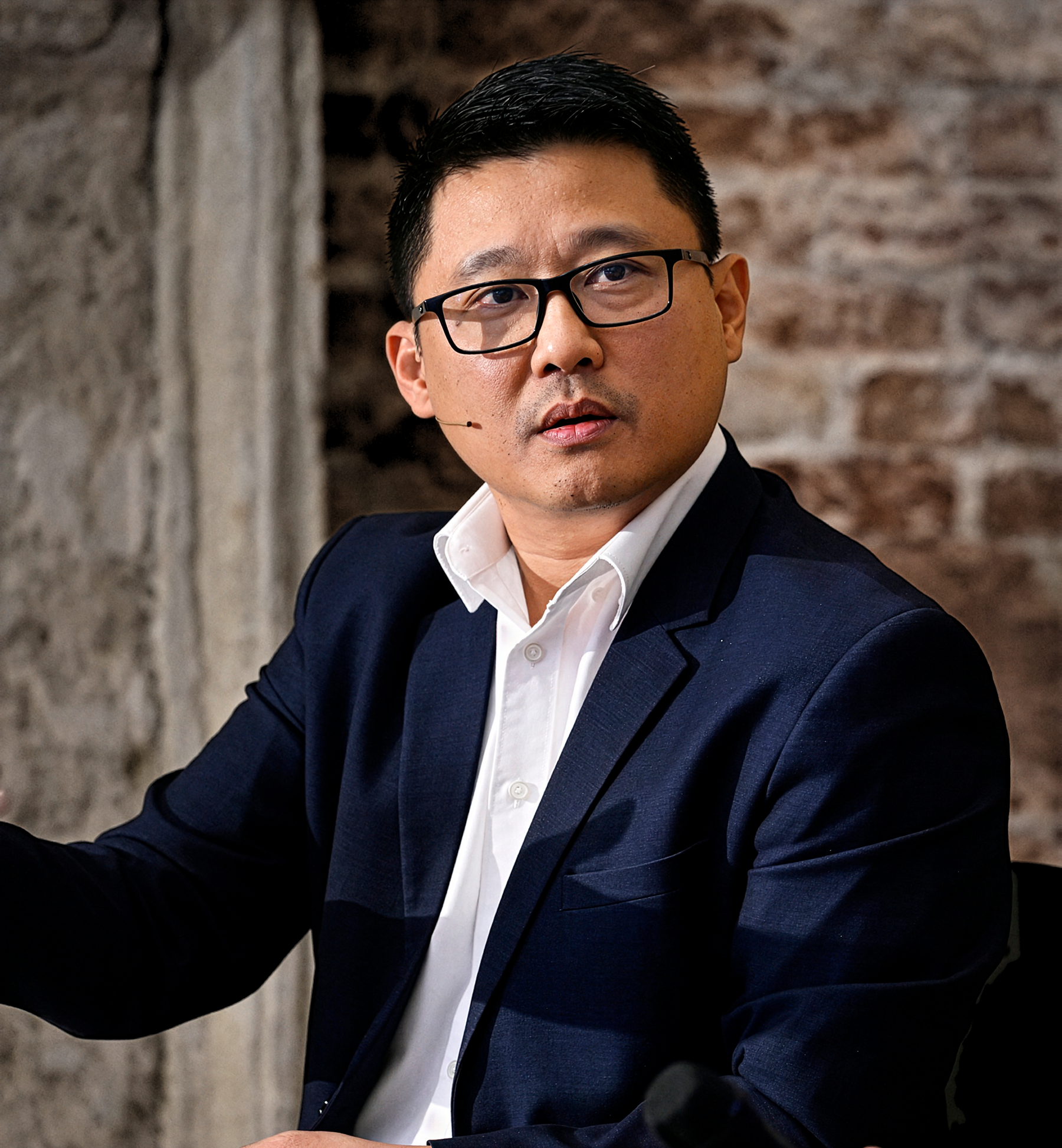
Indonesia’s decision to relocate its capital raises fundamental questions about whether retreat can be a proactive strategy rather than a last resort. This talk examines Nusantara as a bold experiment in climate-responsive urbanism—while confronting the parallel challenge of revitalising Jakarta to avoid shifting risk rather than resolving it.
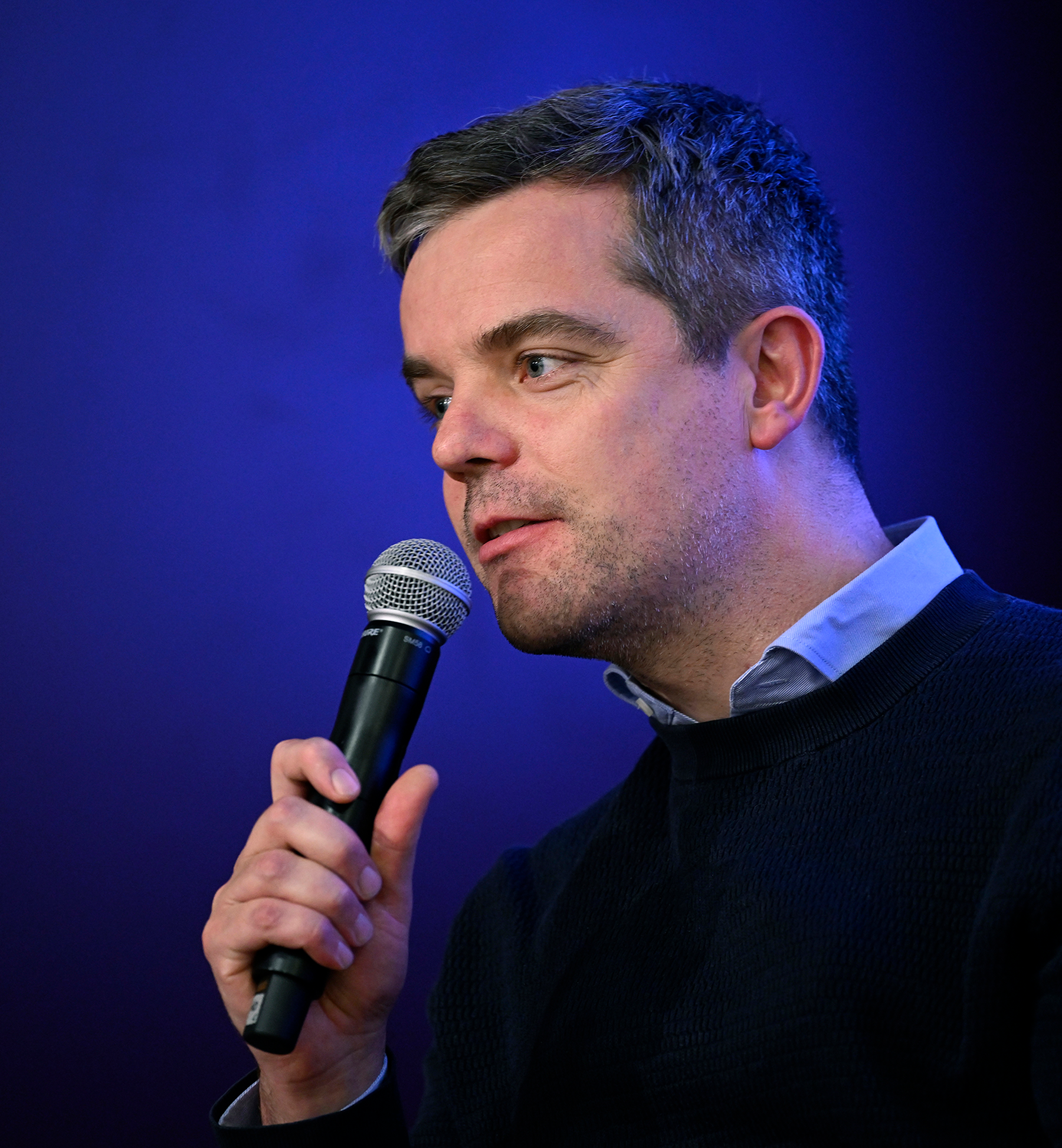
As planned relocation becomes an essential climate adaptation tool, this talk explores how governance, compensation and public acceptance shape its success across Europe. Drawing on comparative case studies, it reveals why institutional trust and policy design are as critical as technical solutions in making relocation fair, legitimate and effective.
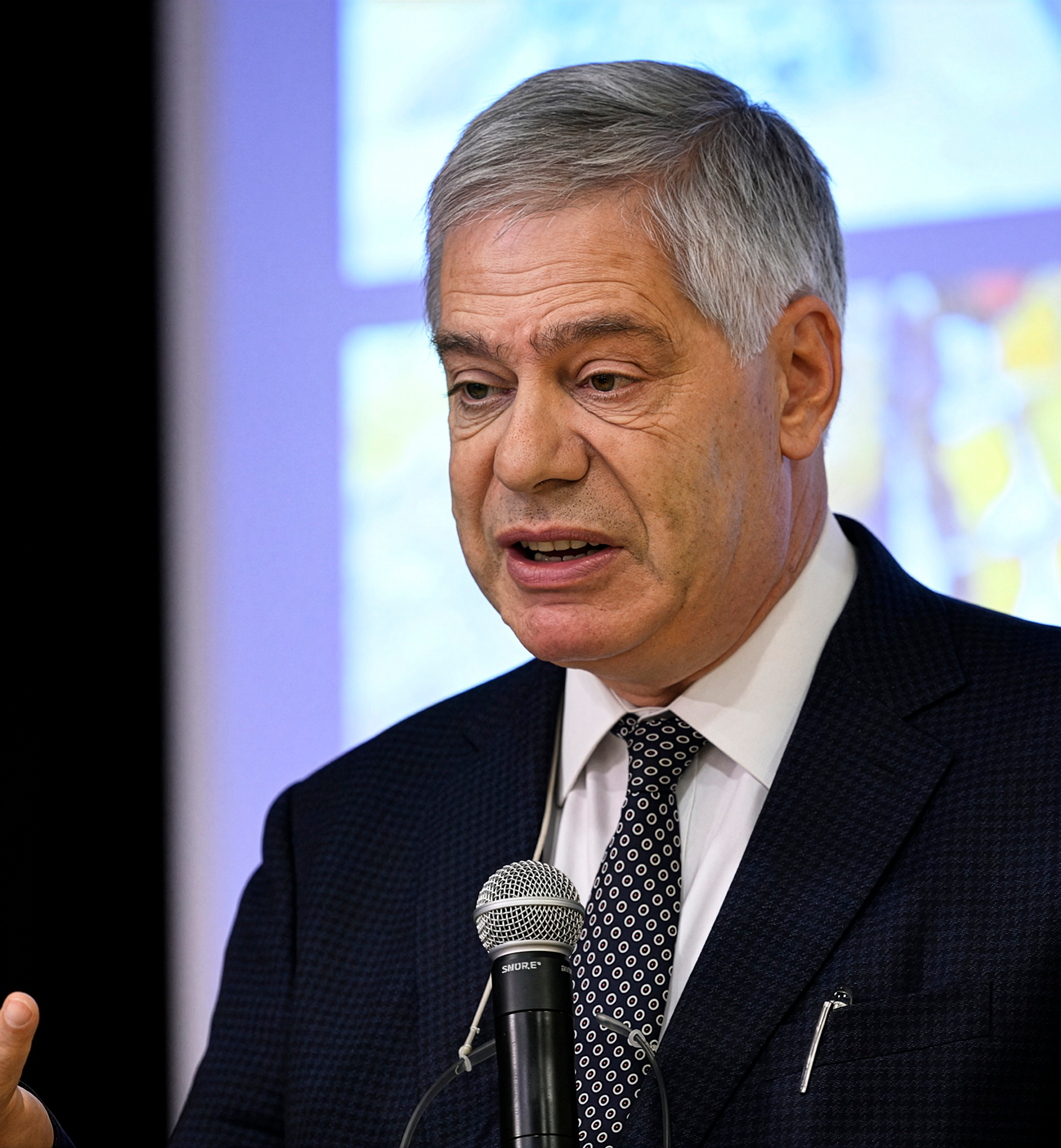
Venice’s response to rising seas reveals why flood resilience is not a single solution but a layered strategy. This talk explores how engineering, nature-based measures and long-term governance work together to protect both the city and the lagoon system that has sustained it for centuries.
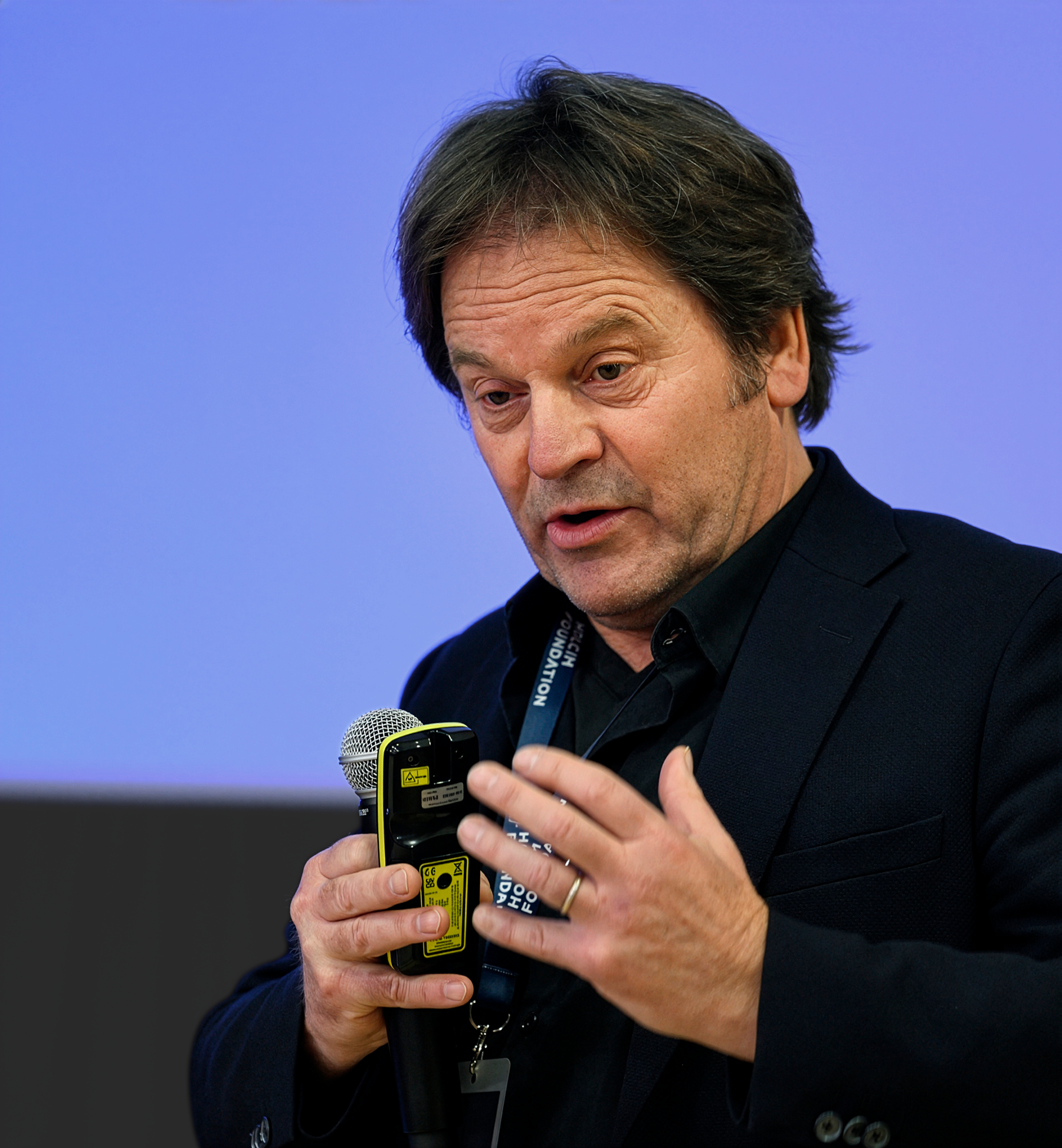
Flood management must look far beyond short-term protection as climate risk accelerates. Drawing on lessons from the Netherlands, this talk shows how long-term spatial thinking and design-led vision can reshape deltas to manage flood risk by transforming landscapes—not simply defending them.
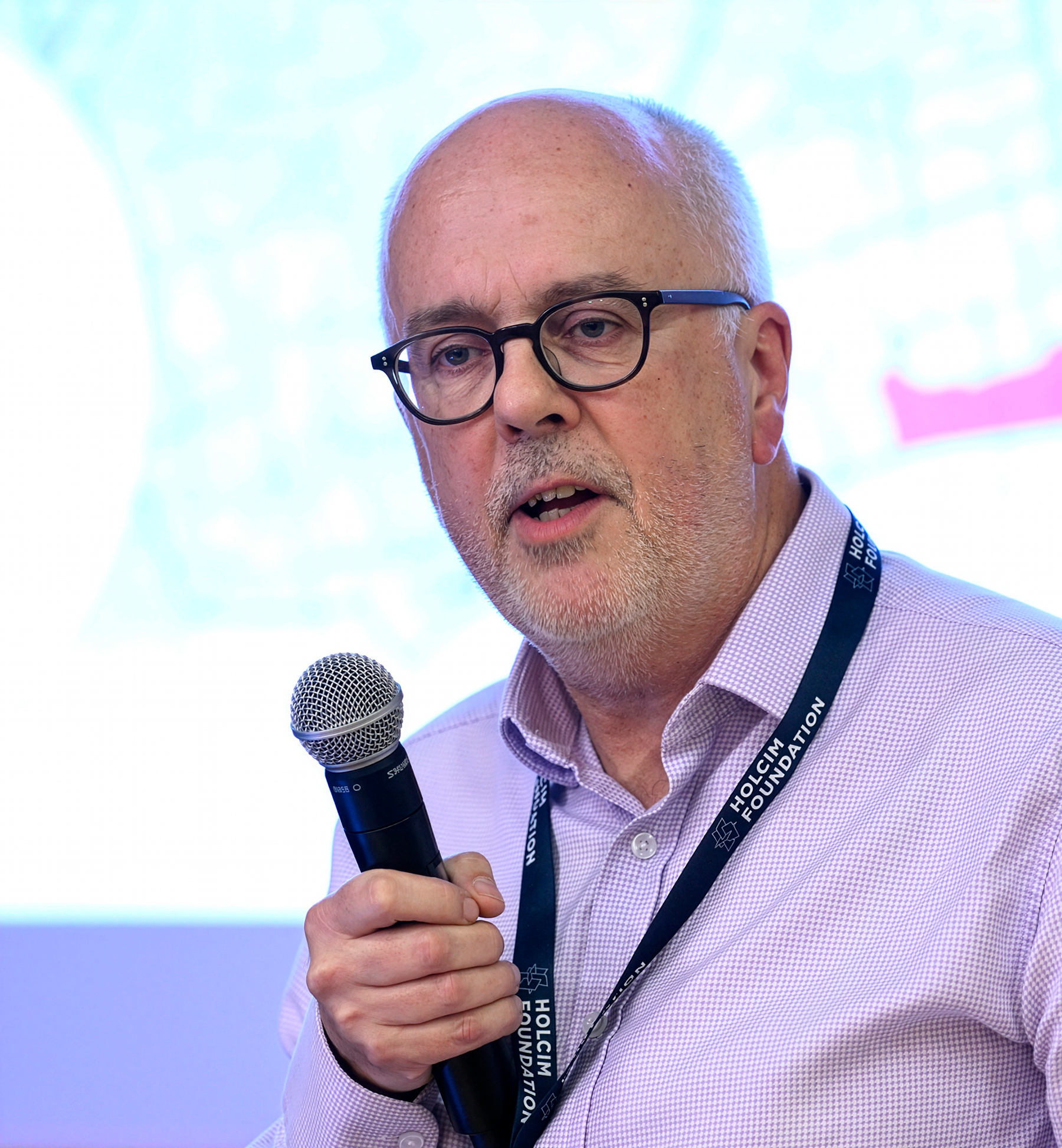
This talk reframes flood resilience by moving beyond hard defences toward integrated systems that work with nature. Through the lens of “spongy cities” and “leaky basins,” it shows how combining green and grey infrastructure across scales can reduce risk while delivering wider environmental benefits.
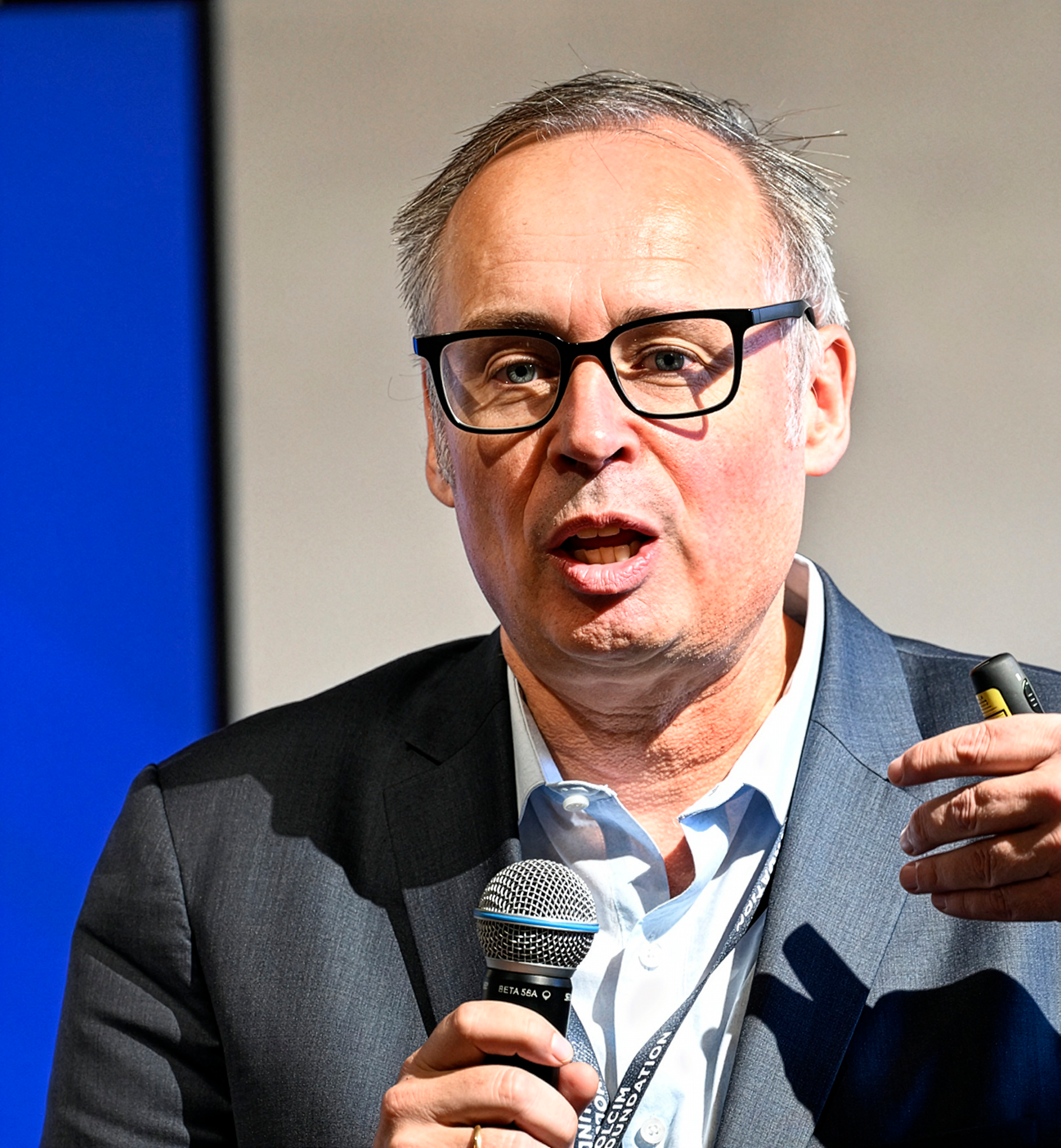
As climate change makes uncertainty the new normal, this talk reframes adaptation as an ongoing process rather than a fixed solution. Through global case studies, it shows how design-led frameworks can evolve over time to protect cities and landscapes as conditions continue to shift.
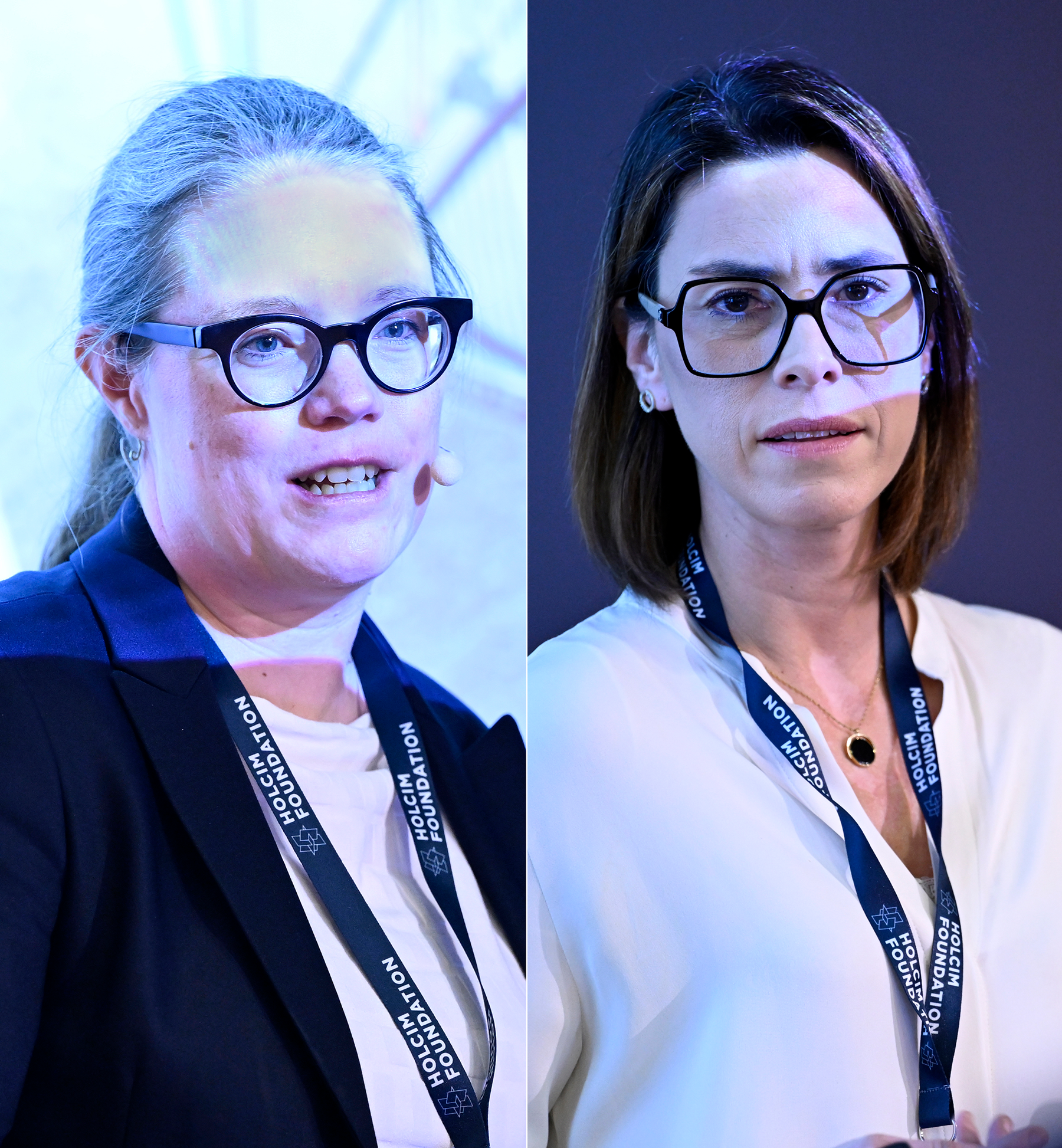
Managing flood risk means confronting multiple hazards that overlap, interact and cascade across systems. Using Halmstad as a case study, this talk shows why integrated, multi-level governance—combining nature-based solutions, infrastructure and preparedness—is essential for building resilience to compound flood events.
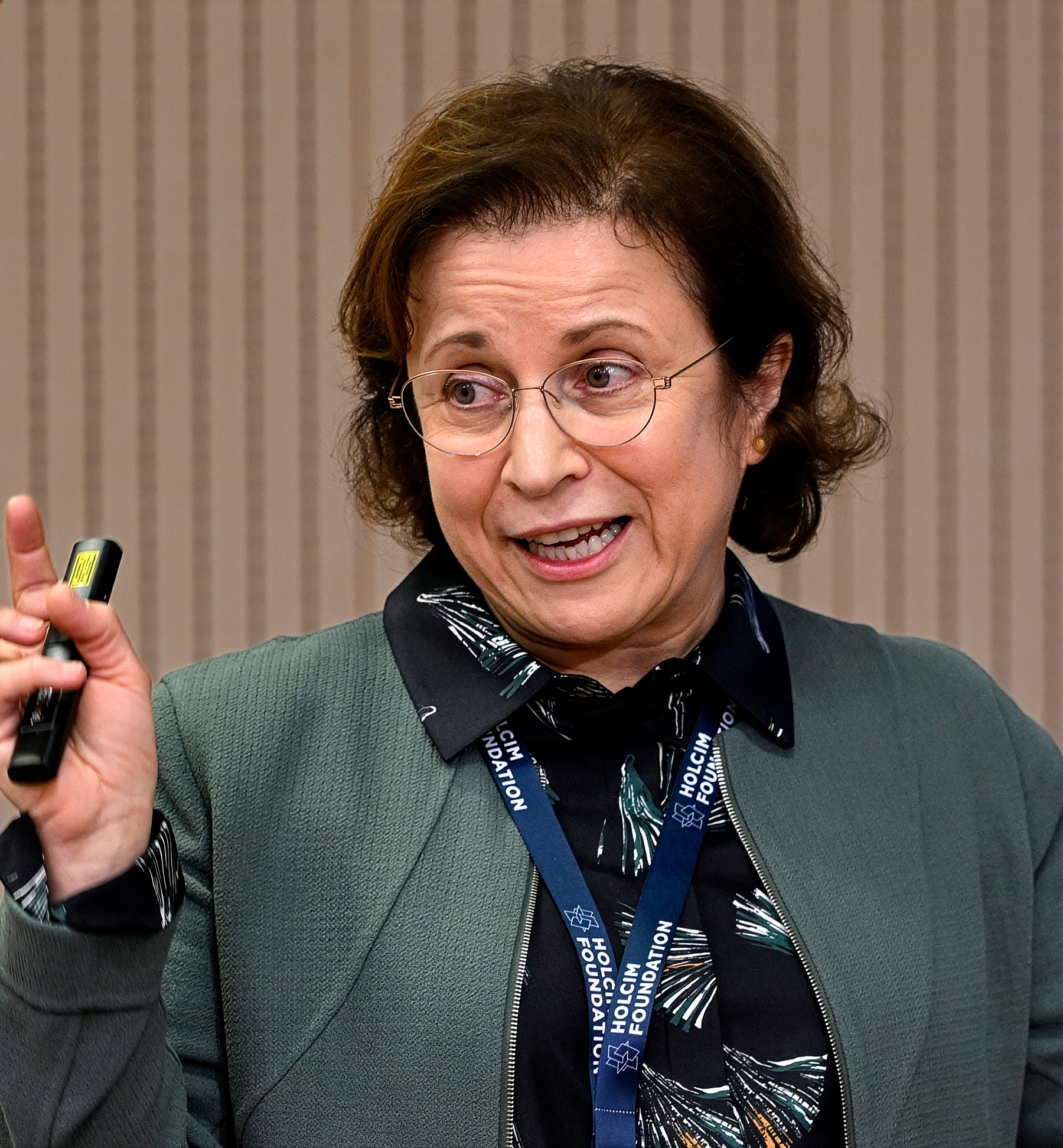
Flood risk emerges from interconnected systems that are increasingly complex and data-rich. This talk shows how AI can integrate diverse datasets to reveal hidden risks, anticipate cascading impacts and support better planning and decision-making in the face of accelerating climate extremes.
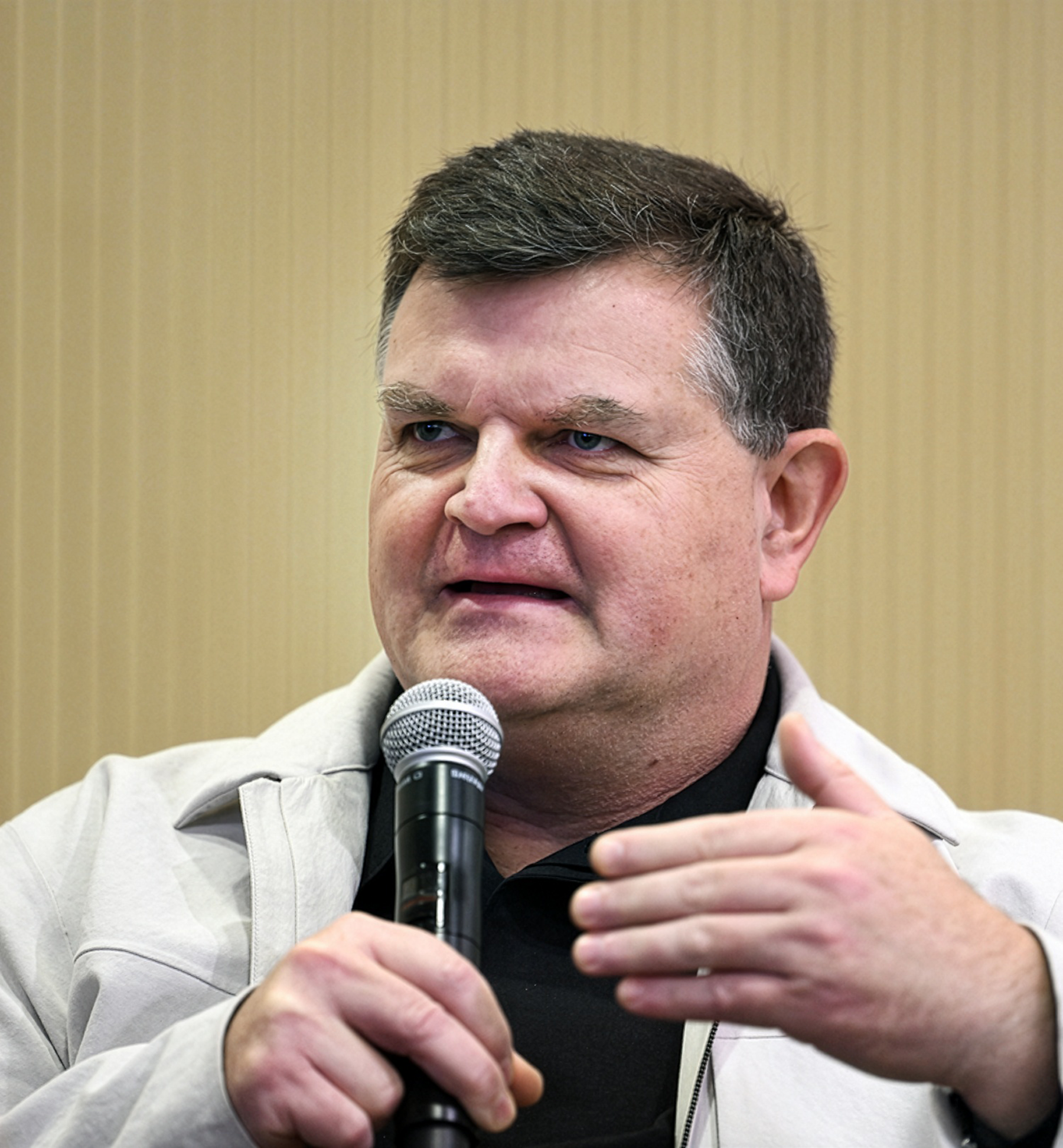
As water increasingly defines the future of cities, this talk explores how architecture and urban design can respond by working with aquatic environments rather than resisting them. Through projects located on, within and around water, it presents spatial strategies for climate adaptation, housing and resilient urban life.
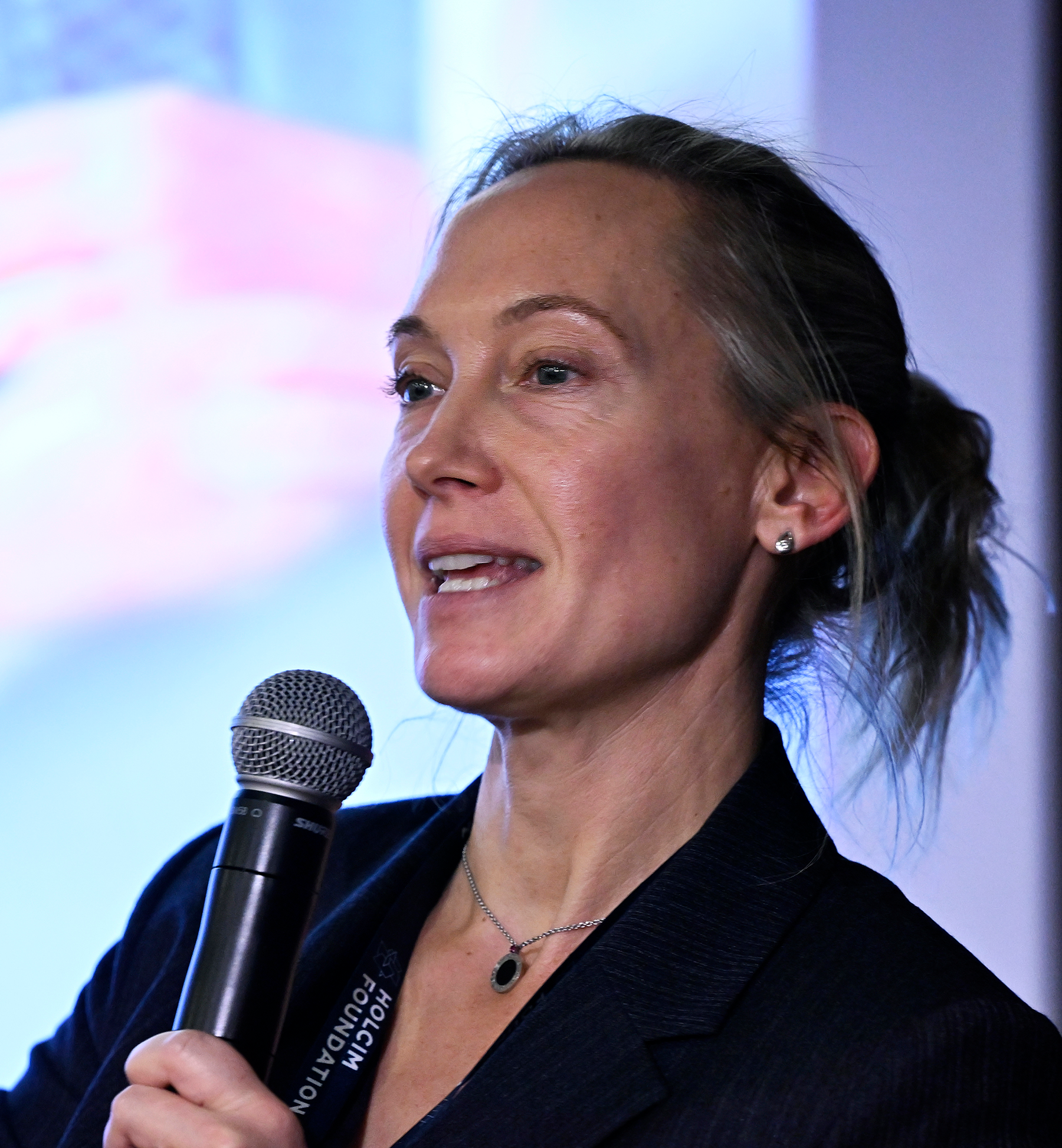
Wetlands are disappearing faster than forests, yet they offer some of the most effective nature-based solutions for climate resilience. This talk reveals how restoring saltmarshes and coastal wetlands can reduce flood risk, support biodiversity and protect communities by working with natural systems.
FORUM
DIGEST
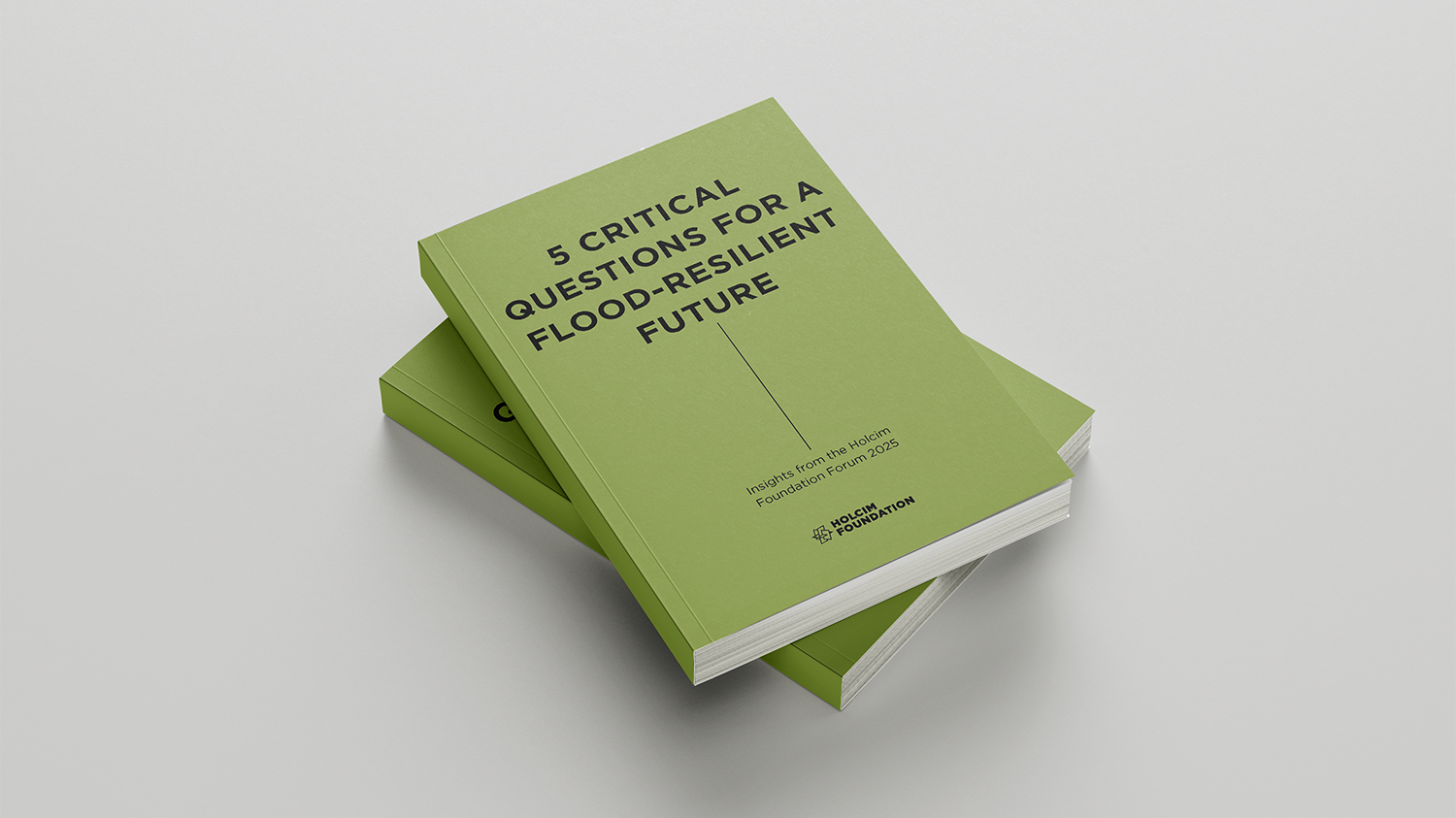
This digest distills the insights from the Forum and is structured around five key questions. Each question spotlights a critical dimension of the flood resilience challenge, with the full scope of problems and solutions addressed at the Forum explored.